
The truth about building success as an independent artist, producer, or record label.
The music industry can make success feel like something someone else has to authorize.
A record executive has to sign you. A curator has to select you. An influential producer has to recognize your talent. A distributor has to decide you’re worth supporting.
Those people and companies can open valuable doors. But their approval is only one possible route to an audience.
Many assumptions about music careers come from a business built around scarce recording facilities, physical distribution, retail shelf space, and limited broadcast opportunities. Those advantages still influence the industry, but independent creators have more ways to build outside them.
That doesn’t make success easy. It does make waiting for permission a poor strategy.
Some barriers are real. Others are assumptions we’ve repeated until they sound like rules.
Here are ten worth questioning.
1. Anyone Can Have a Hit Song
You don’t need a major record deal, a famous producer, or an expensive studio to make a song people love.
An unknown artist can create a recording that travels far beyond their immediate circle. A bedroom producer can make something that connects with listeners across countries.
That possibility isn’t a promise. Marketing, timing, relationships, resources, and luck influence what gets heard. A great recording can still struggle to find its audience.
But being unknown doesn’t disqualify you.
It also helps to define what you mean by a hit. A song that dominates a regional scene, becomes essential within a particular community, or brings listeners back for years can have substantial value without becoming a worldwide phenomenon.
One successful song won’t automatically produce a lasting career. You still need a plan for what happens after people start listening.
The truth: You don’t have to be established before your music can connect.
2. You’re Not Too Old, and Neither Is Your Music
The industry sells youth so aggressively that artists sometimes start treating their age as a business failure.
But turning 40, 50, or 70 doesn’t erase your ability to create something meaningful. Your perspective may be exactly what makes the work worth hearing.
You might reach a different audience than you would have at 20. Your presentation, priorities, and working methods might change. None of that means the opportunity has disappeared.
The same applies to recordings.
A song doesn’t become worthless when its original release campaign ends. An older recording can find new listeners through a recommendation, a performance, a video, or someone discovering the artist’s catalog.
That doesn’t mean every overlooked song is a future hit. It means the release date alone tells you very little about whether someone hearing it for the first time will care.
For that listener, the discovery is happening now.
The truth: Your age and your release date don’t determine the remaining value of your music.
3. You Don’t Need a Record Label to Become Successful
Coming from an independent record label, this should be said plainly: you don’t need a label simply to justify calling yourself an artist.
A label is a business partner. Its value comes from the work it performs, the resources it contributes, and the opportunities it helps create.
Financing, marketing, distribution, administration, and professional relationships can all matter. A capable team can accomplish things an artist would struggle to manage alone.
But a company’s name isn’t a substitute for a clear proposal.
What will it do? Who will do the work? What rights will it control? How long will the arrangement last? What will it cost you?
Artists should ask those questions before signing. Independent labels should ask them when evaluating distributors and larger partners.
You don’t have to do everything yourself. You do need to understand why a partnership improves your position.
The truth: A label should earn its place in your business through what it contributes.
4. You Don’t Need Millions of Streams to Make Money
Streaming numbers are public. Most of the economics behind them are not.
You can see an artist’s audience growing without knowing their expenses, ownership share, contractual obligations, or take-home income.
That makes streams a poor shortcut for judging someone’s financial success.
A producer might earn through recording, beat licensing, mixing, and work for other artists. A performer might build income through shows and direct sales. A label might develop a catalog whose combined earnings matter more than any single release.
Those activities require their own skills, costs, and customers. Adding more revenue streams doesn’t automatically make a business profitable.
The useful question is whether the income supports the operation after expenses and obligations.
A smaller audience that regularly buys tickets, recordings, or merchandise can support a business differently from a much larger audience that listens occasionally.
Neither audience is worthless. They simply create different possibilities.
The truth: A career needs workable economics, not just impressive statistics.
5. Your Music Doesn’t Have to Sound Like What’s Popular
Someone will always have a reason your music doesn’t fit.
It’s too slow. Too experimental. Too traditional. Too difficult to categorize.
Sometimes that feedback identifies a real problem. Sometimes it tells you more about the person’s market than your music’s potential.
Learning to recognize the difference is part of developing judgment.
Following a trend can help listeners understand what you’re offering, but it also places you beside everyone else following the same trend. A distinctive sound can give people a reason to remember you.
Distinctive doesn’t mean careless. An unusual idea still benefits from strong execution, thoughtful presentation, and an understanding of its audience.
You don’t need everyone to appreciate the work. You need to identify the people who might, then make it easier for them to find it.
The truth: Current demand can inform your choices without dictating every creative decision.
6. You Don’t Need Expensive Equipment to Make Professional Music
There is always another microphone, synthesizer, plugin, or workstation you could buy.
There is also a point where shopping becomes a way to postpone finishing.
Good equipment matters when it solves a specific problem. Better monitoring can help you hear more accurately. Suitable acoustics can improve a recording. Certain projects require specialized spaces and experienced engineers.
But the price of your setup doesn’t determine the quality of your decisions.
An expensive microphone won’t fix a weak performance. Another plugin won’t automatically improve an arrangement. A larger studio won’t finish the song for you.
Before buying something, identify the limitation you’re trying to overcome. Then consider whether the solution is equipment, practice, a room adjustment, or hiring someone with the necessary skill.
For an independent label, sensible production choices can also preserve money for release work that happens after the master is finished.
The truth: Buy tools to solve problems you can identify, not to feel ready to begin.
7. The Industry Doesn’t Have to Discover You
“Getting discovered” makes a music career sound like a waiting room.
You make the work, submit it, and hope someone important calls your name.
Submitting music can be useful. So can pursuing professional relationships. But those activities shouldn’t replace building something people can already engage with.
Release work you can stand behind. Develop a recognizable identity. Collaborate. Perform where it makes sense. Give interested listeners a reason to return and a way to stay connected.
Independent labels can apply the same approach: develop the artists, improve the operation, and build evidence that the catalog reaches people.
A viral moment might introduce you to a large audience. Keeping that audience interested requires follow-through.
There is no guaranteed posting schedule or promotional formula. You can still run experiments, observe the results, and make better decisions.
The truth: Treat discovery as work you participate in, not an event you wait for.
8. Owning Your Music Can Be More Valuable Than Becoming Famous
Recognition and ownership are different achievements.
An artist can become widely known while controlling relatively little of the work associated with their name. A less visible creator can hold valuable interests in recordings and compositions.
Ownership can give you a continuing stake in future uses of the music. It can also give you more influence over how the work is licensed and developed, depending on the rights and agreements involved.
But ownership carries responsibilities.
Someone has to maintain records, administer rights, account to collaborators, resolve problems, and invest in the catalog.
Keeping every right doesn’t automatically produce a better outcome. A well-structured partnership may create value you couldn’t reasonably build alone.
The decision should come from understanding the exchange: what you’re giving up, what you’re receiving, and whether the terms support your goals.
The truth: Know what you own, what you control, and what you’re trading before chasing recognition.
9. Your Competition Isn’t Necessarily Other Artists
Attention is limited. Competition is real.
But another artist’s release doesn’t automatically explain why your career isn’t progressing.
Neither does every new platform, production tool, or change in technology.
Those developments can affect your business. They deserve attention. They don’t deserve all of it.
Ask what is happening inside your own operation.
Are you finishing work? Improving your craft? Following up with collaborators? Understanding your agreements? Making it easy for listeners to find your next release?
An independent label can ask the same questions about release planning, artist development, accounting, and communication.
You don’t have to adopt every new tool. You should understand enough to decide whether it helps, creates problems, or has little relevance to your work.
Criticism has its place. So does protecting time to build.
The truth: You can’t control how crowded the industry becomes. You can improve how you operate within it.
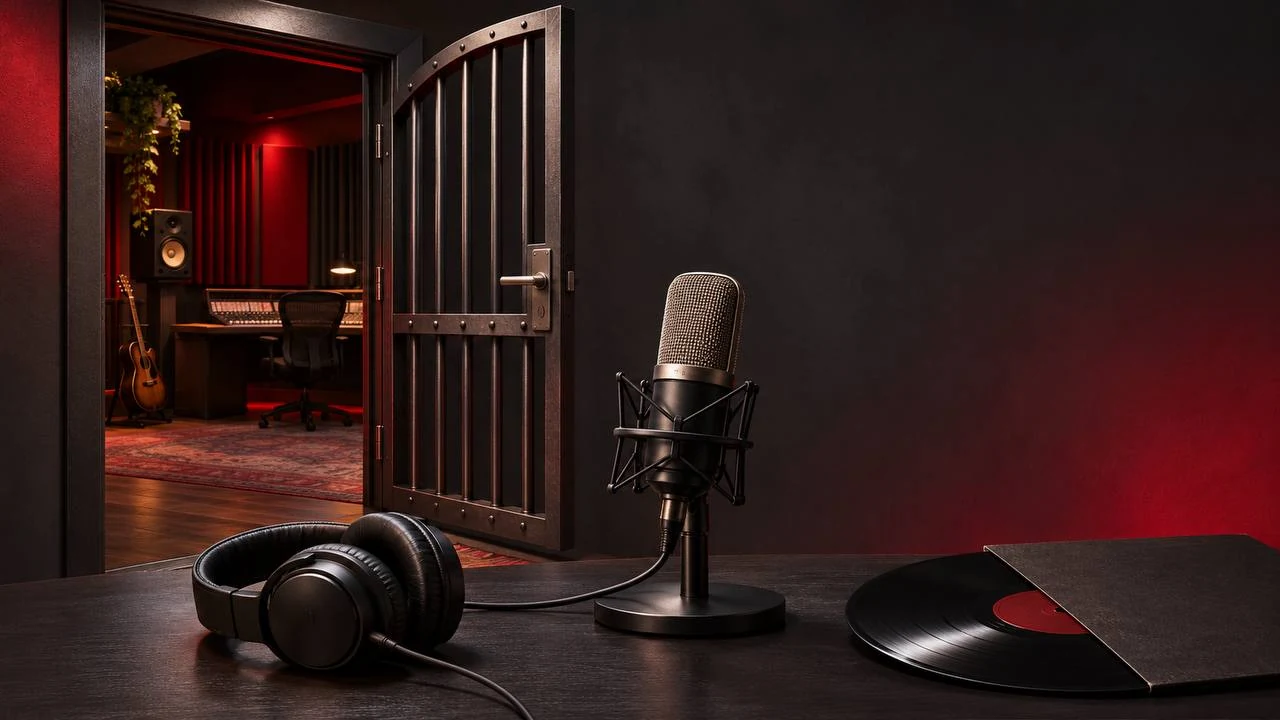
10. The Gate Is Always Open
This is the uncomfortable part: sometimes what we call gatekeeping is an explanation for work we haven’t done.
That doesn’t make every barrier imaginary.
Money, geography, discrimination, relationships, and access can materially affect a career. Some opportunities remain firmly controlled by people who can say no.
Their refusal can close a particular route. It doesn’t necessarily close the entire business.
The problem begins when we turn one rejection into a universal verdict.
A label passes, so we stop releasing. A curator ignores a submission, so we decide promotion is pointless. A platform changes, so we spend months arguing about it without testing another approach.
Sometimes we keep staring at a closed gate because getting through it would validate us. Building elsewhere feels less impressive, even when it would move us forward.
That’s worth confronting honestly.
Success might mean supporting yourself through production work. It might mean running a profitable small label, selling out local shows, or building a catalog that earns consistently.
Those goals have different requirements. None becomes more legitimate because an executive approves it.
“The gate is always open” doesn’t mean every opportunity is available or every obstacle can be overcome through effort. It means there is no single entrance through which every worthwhile music career must pass.
The truth: Gatekeepers can control specific opportunities. They don’t get to define the only success worth pursuing.
Stop Waiting for Permission
The music industry is unequal, expensive, and unpredictable. Working hard doesn’t guarantee the outcome you want.
But waiting to be chosen doesn’t guarantee anything either.
Define the career you’re trying to build. Learn what it requires. Finish the work, understand the business, and give yourself opportunities to discover what connects.
You don’t need a Grammy to build a successful production business. You don’t need a global hit to operate a worthwhile label. You don’t need millions of followers before your music can matter to someone.
You can spend years arguing with the person guarding a particular entrance.
Or you can start building something of your own.
The gate is always open. It just might not be the gate you’ve been staring at.